
The traditional digital advertising playbook is no longer delivering the same results. Rising ad costs, privacy regulations, and growing consumer skepticism have made it increasingly difficult for brands to capture attention through conventional advertising. Today’s consumers are more likely to trust recommendations from creators they follow than messages from corporate brands.
This shift in consumer behavior highlights the growing benefits of influencer marketing. When influencers share genuine experiences, product reviews, or tutorials, their content feels authentic and relatable rather than promotional. As a result, businesses can build trust, increase brand awareness, and engage potential customers more effectively.
For startups, e-commerce brands, and local businesses, influencer marketing has evolved into a powerful growth channel that helps reach targeted audiences, strengthen customer relationships, and drive sustainable business growth in an increasingly competitive digital landscape.
What Is Influencer Marketing?
Influencer marketing is a digital marketing strategy where businesses collaborate with individuals who have a dedicated and engaged audience on social media platforms. These individuals, known as influencers, promote products, services, or brands through authentic content such as videos, posts, reviews, and stories. Unlike traditional advertising, influencer marketing relies on trust and credibility, making recommendations feel more genuine and relatable to consumers.
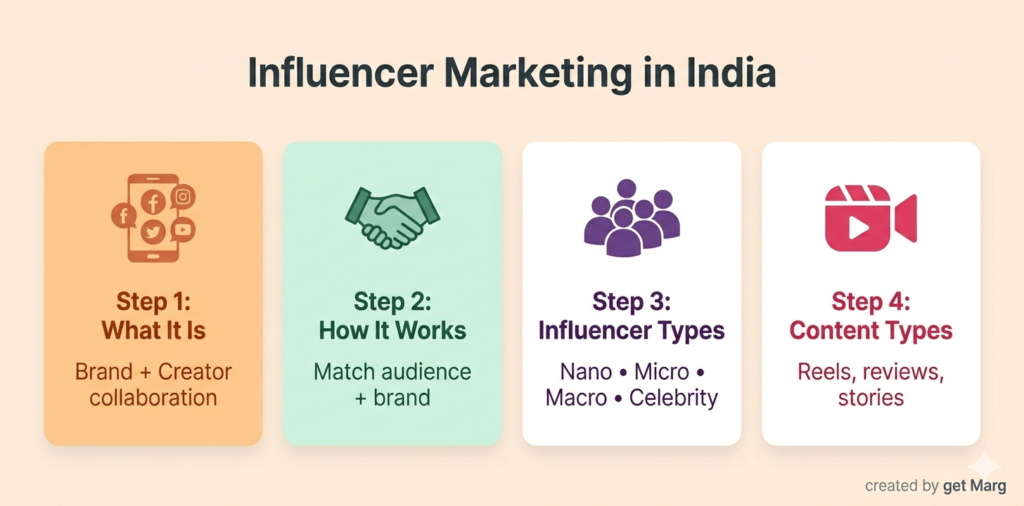
The process is simple: brands partner with influencers whose audience matches their target market, provide campaign objectives, and allow creators to showcase the product in their unique style. This approach helps businesses reach potential customers more effectively while building brand awareness and trust.
Influencers are generally categorized into four types: nano influencers (1K–10K followers), micro influencers (10K–100K followers), macro influencers (100K–1 million followers), and celebrity influencers (1 million+ followers). Each category offers different advantages depending on a brand’s goals, budget, and target audience.
Why Influencer Marketing Has Become So Effective
Influencer marketing has become one of the most effective digital marketing strategies because it aligns with how modern consumers discover, evaluate, and purchase products. Unlike traditional advertising, which often feels promotional and intrusive, influencer content is integrated naturally into social media experiences. This authenticity is one of the major benefits of influencer marketing and explains why businesses across industries continue to increase their investment in creator partnerships.
Shift in Consumer Trust
Today’s consumers are more skeptical of traditional advertisements and branded messaging. Instead, they seek recommendations from people they trust. Influencers build credibility through consistent engagement and authentic storytelling, making their product endorsements more persuasive and relatable.
Rise of Social Commerce
Social media platforms have evolved into powerful shopping destinations. Features such as Instagram Shopping, TikTok Shop, and YouTube product tagging allow users to discover and purchase products seamlessly. Influencers play a vital role in guiding purchase decisions and driving conversions.
Creator Economy Growth
The rapid expansion of the creator economy has given brands access to highly engaged niche communities. From fitness and fashion to finance and technology, influencers help businesses connect with targeted audiences more effectively.
Changes in Digital Advertising
With rising ad fatigue, privacy regulations, and declining ad performance, brands are seeking alternatives. Influencer marketing provides a more authentic and engaging approach that often delivers stronger brand awareness, engagement, and conversion rates than traditional advertising.
Top 10 Benefits of Influencer Marketing
The benefits of influencer marketing have made it one of the most effective digital marketing strategies for businesses of all sizes. By partnering with trusted creators, brands can reach highly engaged audiences, build credibility, and drive measurable business results. Unlike traditional advertising, influencer marketing focuses on authentic recommendations that resonate with consumers and influence purchasing decisions.
1. Builds Consumer Trust Faster
Influencers have established strong relationships with their followers, making their recommendations more trustworthy than traditional advertisements. This credibility helps brands gain customer trust quickly.
2. Increases Brand Awareness
Influencers expose products and services to new audiences, helping businesses expand their reach and improve brand recognition across various platforms for influencer marketing.
3. Generates High-Quality Leads
Since influencers attract niche audiences, businesses can connect with potential customers who are genuinely interested in their offerings, resulting in better-quality leads.
4. Improves Conversion Rates
Authentic reviews, demonstrations, and testimonials help reduce buyer hesitation, making consumers more likely to complete a purchase.
5. Creates Authentic Content at Scale
Influencers produce engaging content that brands can repurpose across websites, social media, and advertising campaigns, reducing content creation costs.
6. Reaches Highly Targeted Niches
Brands can collaborate with creators in specific industries, ensuring their message reaches the right audience at the right time.
7. Delivers Better ROI Than Traditional Advertising
One of the major benefits of influencer marketing is its ability to generate strong returns through precise audience targeting and higher engagement levels.
8. Strengthens Social Media Presence
Influencer collaborations increase engagement, followers, and brand visibility, helping businesses establish a stronger online presence.
9. Enhances SEO Visibility
Influencer campaigns can increase website traffic, branded searches, and online mentions, indirectly supporting search engine optimization efforts.
10. Supports Long-Term Brand Growth
Long-term partnerships with creators help businesses build customer loyalty, maintain visibility, and achieve sustainable growth. By tracking key metrics to measure influencer marketing performance, brands can continuously refine their influencer marketing strategy and maximize results.
Benefits of Influencer Marketing for Different Businesses
One of the greatest benefits of influencer marketing is its versatility. Unlike many marketing channels that work best for specific industries, influencer marketing can help businesses of all sizes achieve their goals. Whether a company wants to increase brand awareness, generate leads, or drive sales, the right influencer marketing strategy can deliver measurable results.
For Small Businesses
Small businesses often operate with limited budgets and resources. Influencer marketing provides a cost-effective way to reach targeted audiences and build trust. By collaborating with nano and micro influencers, small businesses can gain authentic exposure without the high costs associated with traditional advertising.
For Startups
Startups need visibility and credibility to grow quickly. Influencers help introduce new products and services to relevant audiences, creating awareness and accelerating customer acquisition. Their recommendations also help establish trust in a new brand.
For E-commerce Brands
For e-commerce businesses, influencers can showcase products through reviews, tutorials, and demonstrations. This helps increase traffic, improve conversion rates, and generate user-generated content that supports future marketing campaigns.
For Local Businesses
Local businesses can partner with regional creators to reach nearby customers. This hyper-local approach increases community engagement, brand awareness, and foot traffic.
For B2B Companies
B2B organizations can collaborate with industry experts and thought leaders to build authority, educate audiences, and generate qualified leads through trusted recommendations.
Best Platforms for Influencer Marketing
Brand awareness, product discovery, and lifestyle marketing.
YouTube
Reviews, tutorials, and long-form product education.
B2B marketing, professional networking, and thought leadership.
TikTok
Viral campaigns, trends, and younger audiences.
Community engagement, local reach, and broad demographics.
The Collapse of Cold Advertising
One of the biggest challenges facing modern businesses is the declining effectiveness of traditional advertising. Rising customer acquisition costs, increased competition, and changing consumer behavior mean brands are spending more while often achieving lower returns. Today’s audiences prefer authentic, people-driven content over polished corporate campaigns.
Consumers have become skilled at ignoring advertisements that feel overly promotional or disconnected from their interests. As a result, businesses relying solely on traditional marketing struggle to capture attention and build meaningful engagement.
Without trust or a genuine connection, brands are often forced to compete through discounts and price reductions, which can hurt long-term profitability. This shift explains why many companies are embracing the benefits of influencer marketing. By partnering with trusted creators, businesses can deliver more authentic messages, build credibility, and connect with audiences in ways that traditional advertising increasingly fails to achieve.
How Influencer Marketing Builds Consumer Trust
Consumer trust has become one of the most important factors in modern marketing. Rather than relying on traditional advertisements, people increasingly turn to creators, reviews, and recommendations before making purchasing decisions. This shift has made influencer marketing a powerful tool for building credibility and strengthening customer relationships.
Consumers Trust Recommendations Over Advertisements
Influencers Provide Authentic Product Experiences
Social Proof Drives Higher Purchase Decisions
Brands Grow Faster With Influencer Marketing
Content Feels More Relatable and Engaging
How to Build an Effective Influencer Marketing Strategy
A successful influencer marketing strategy requires more than occasional creator collaborations. Businesses need a structured approach that focuses on audience alignment, authentic content, performance tracking, and long-term partnerships. Following a proven framework can help maximize the benefits of influencer marketing and deliver consistent results.
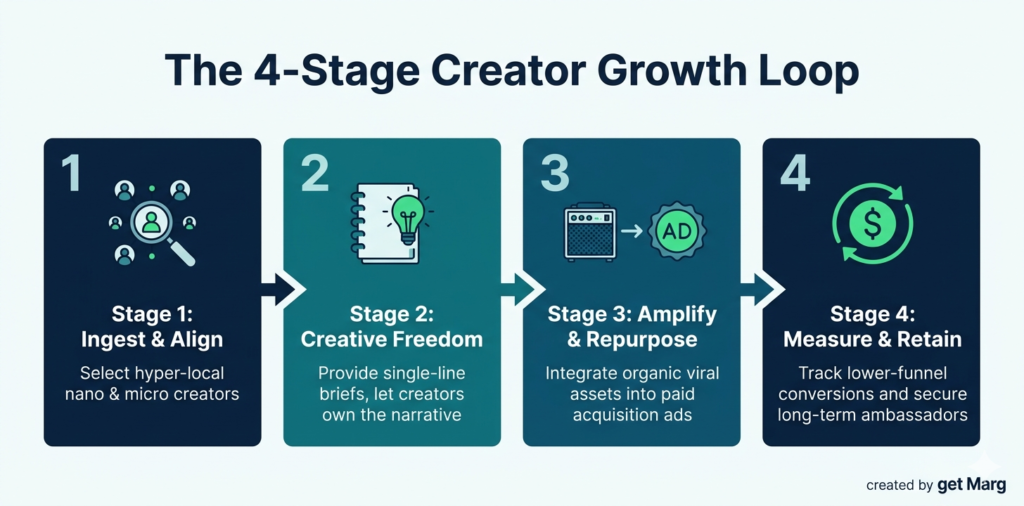
1. Identify the Right Influencers
Focus on creators whose audience aligns with your target market. Evaluate engagement rates, audience demographics, and content quality rather than follower count alone.
2. Give Creators Creative Freedom
Provide campaign goals and brand guidelines, but allow influencers to create content in their own style. Authentic content typically performs better than scripted promotions.
3. Repurpose High-Performing Content
Use successful influencer posts across your website, social media channels, and paid advertising campaigns to extend reach and improve ROI.
4. Track Performance and Build Long-Term Partnerships
Monitor key metrics to measure influencer marketing success, including engagement, conversions, and ROI. Strengthen relationships with top-performing creators through ongoing collaborations.
What Are the Benefits of Influencer Marketing?
Influencer marketing helps businesses by:
- Reaching targeted and engaged audiences
- Increasing brand awareness
- Building consumer trust
- Generating high-quality leads
- Improving conversion rates
- Delivering higher marketing ROI
Influencer Marketing Statistics and Industry Trends
The transition toward creator-led marketing is backed by clear, global market data. Across every consumer sector, brands are actively shifting their capital away from legacy print, TV, and basic digital banner networks to reinvest heavily in human-centric creator channels.
Around 83% of brands now rate influencer marketing as an effective or very effective part of their broader growth strategy. This high rate of satisfaction stems directly from the quality of consumer attention that creators command. In fact, 82% of digital marketers report that influencer-sourced leads are higher quality than leads generated through alternative digital channels, primarily because the audience is pre-qualified by a trusted figure before they ever arrive at a storefront.
| Metric | Industry Standard Benchmark | Business Impact |
| Average Campaign ROI | $5.78 earned per $1 invested | Highly efficient capital allocation |
| Budget Planning Trend | 74% of brands increasing spend | Growing market adoption and confidence |
| Consumer Purchase Drive | 86% buy via creators annually | Direct influence on commercial velocity |
| Content Performance Gap | 69% of creator assets beat brand ads | Drastic reduction in content production costs |
The operational reality is that creator-generated content naturally delivers a diverse range of voices, formats, and authentic visual styles that resonate with everyday consumers. Because this material is inherently optimized for human engagement, businesses that actively repurpose creator assets in their paid social campaigns experience a substantial lift in performance at scale. This integration forms a foundational pillar of any modern digital marketing approach.
Real-World Example: Mamaearth’s Influencer-First Growth Strategy
Mamaearth is one of the most successful examples of influencer marketing in India. Instead of relying heavily on traditional advertising, the brand partnered with beauty influencers, parenting bloggers, and lifestyle creators to promote its products through authentic content. These creators shared reviews, skincare routines, and personal experiences, helping consumers understand product benefits in a relatable way.
By focusing on trusted voices, Mamaearth was able to build credibility and connect with highly targeted audiences. The brand leveraged popular platforms for influencer marketing such as Instagram, YouTube, and Facebook, where creators showcased products through tutorials, unboxing videos, and recommendations.
This approach aligned with emerging influencer marketing trends in India, where consumers increasingly trust creator opinions over traditional advertisements. The strategy helped Mamaearth increase brand awareness, generate customer trust, and drive online sales. Its success demonstrates how businesses can use influencer partnerships to achieve sustainable growth while maximizing the benefits of influencer marketing.
Why Influencer Marketing Campaigns Fail
Influencer marketing can be highly effective, but many campaigns fail because of poor strategy and unrealistic expectations. Instead of focusing on alignment and performance, brands often make avoidable mistakes that reduce impact and return on investment.
Chasing Follower Counts Over Engagement
One of the most common mistakes is selecting influencers based only on follower count. A large audience does not guarantee influence. Engagement rate, audience trust, and niche relevance are far more important for achieving meaningful results.
Over-Controlling Creator Content
Brands sometimes provide strict scripts that limit creativity. This reduces authenticity and makes content feel like a traditional advertisement. Influencer marketing works best when creators communicate in their own voice.
Focusing on Only One Platform
Running campaigns on a single platform restricts reach. Different audiences consume content on different channels, so a multi-platform approach improves visibility and engagement.
Ignoring Key Performance Metrics
Many brands focus on likes and views but fail to track conversions, click-through rates, and actual sales impact. These deeper metrics are essential for measuring success.
Treating Influencers as One-Time Partners
Short-term collaborations rarely build trust. Long-term partnerships strengthen credibility, improve audience connection, and deliver more consistent performance over time.
How to Create a Successful Influencer Marketing Campaign
Creating a successful influencer marketing campaign requires careful planning, audience research, and performance tracking. By following a structured influencer marketing strategy, businesses can maximize engagement, improve conversions, and achieve better returns on their marketing investment.
- 1. Define Your Target Audience
- 2. Choose Relevant Influencers
- 3. Provide Clear Campaign Guidelines
- 4. Track Campaign Performance
- 5. Scale What Works
Why Influencer Marketing Matters in 2026
Building a modern and sustainable brand in 2026 requires a shift from traditional advertising to building authentic, trust-based relationships with audiences. The era of repetitive digital ads is fading, while brands that focus on cultural relevance and meaningful engagement are gaining stronger long-term impact. Success today depends on a deep understanding of consumer psychology, semantic search optimization, and consistent content distribution across evolving digital platforms. Rather than running scattered campaigns, businesses need structured, strategy-driven marketing systems to stay competitive.
In this journey, GET Marg plays a key role by helping brands build scalable growth systems, improve SEO performance, enhance AI search visibility, and execute high-ROI digital marketing strategies. By combining data-driven insights with creative execution, GET Marg enables businesses to achieve sustainable growth and long-term market leadership.
Frequently Asked Questions(FAQs)
Q1. What are the benefits of influencer marketing?
Influencer marketing increases brand awareness, builds trust, and improves audience engagement. It helps businesses reach targeted customers through authentic recommendations, often resulting in higher conversions, better ROI, and stronger brand credibility compared to traditional advertising methods.
Q2. What are the primary metrics to measure influencer marketing ROI effectively?
Key metrics include conversion rate, click-through rate, engagement rate, cost per acquisition, and return on investment. Tracking sales, leads, and website traffic helps measure real business impact beyond likes and views.
Q3. How do we choose the right platforms for influencer marketing based on our business model?
Platform choice depends on target audience and content type. Instagram suits lifestyle brands, YouTube works for detailed content, LinkedIn for B2B marketing, and TikTok for short-form engagement-driven campaigns.
Q4. How are the latest influencer marketing trends in india shaping local e-commerce growth?
In India, regional creators, short-form video content, and vernacular marketing are boosting e-commerce growth. Influencers build trust quickly, helping small and large brands increase online sales and reach tier-2 and tier-3 audiences.
Q5. Do we need a massive marketing budget to experience the benefits of influencer marketing?
No, influencer marketing can work with small budgets. Micro and nano influencers offer high engagement at lower cost, making it accessible for startups and small businesses while still delivering strong results.