Why Google Algorithm Updates Matter in 2026
Google algorithm updates have always played a major role in deciding how websites rank, but in 2026, search is evolving faster than ever. With artificial intelligence becoming a central part of the search experience, businesses can no longer depend only on traditional SEO tactics. The latest Google algorithm updates are focused on improving search quality, understanding user intent, rewarding genuine expertise, and delivering more helpful experiences.
For Indian SMB founders, marketing heads, startup owners, e-commerce brands, and digital professionals, staying updated with Google search algorithm changes is no longer optional. A single core update can impact website visibility, organic traffic, leads, and revenue if businesses are not prepared.
The Google algorithm update 2026 landscape reflects a major shift — from keyword-based ranking strategies toward experience-driven, trustworthy, and AI-ready content. Businesses that create valuable content, improve user experience, and build strong brand authority are more likely to maintain long-term search visibility.
This guide explains the latest Google algorithm updates, Google core update 2026 trends, ranking changes, and practical strategies businesses can follow to stay competitive.
What Are Google Algorithm Updates?
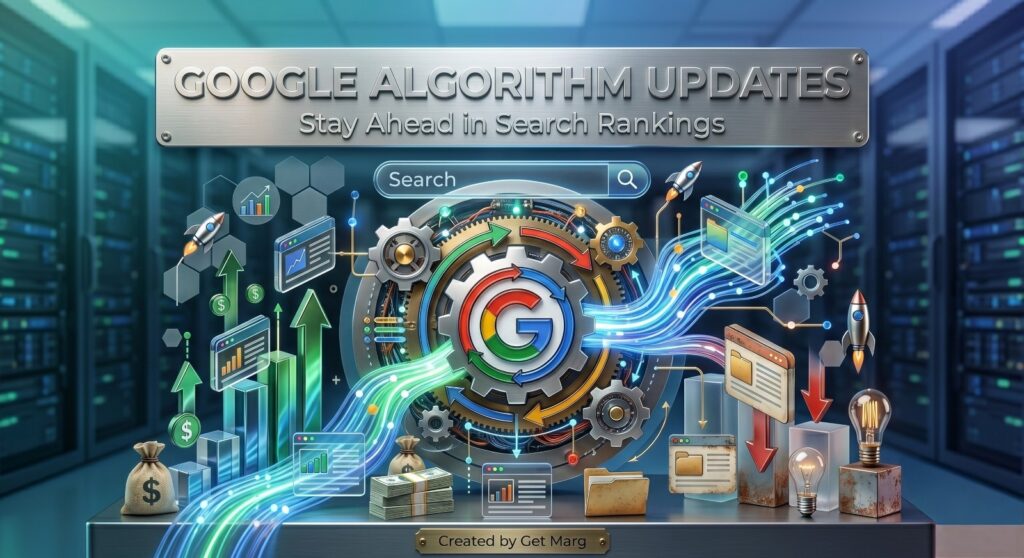
Google algorithm updates are changes made to Google’s search systems that determine how web pages are ranked in search results. These updates help Google understand content quality, relevance, user intent, and website reliability.
Every day, Google processes billions of searches and continuously improves its systems to provide users with accurate and useful information. While some updates are small improvements, others — especially core updates — can significantly affect website rankings.
A Google algorithm update may impact:
- Organic search rankings
- Website traffic
- Keyword positions
- Content visibility
- Conversion rates
- Online business growth
For example, if a website previously ranked because of excessive keywords but lacked useful information, a major algorithm update could reduce its visibility. On the other hand, websites that provide authentic, helpful, and well-structured content may see growth.
In 2026, Google is placing a stronger emphasis on understanding the complete context behind searches rather than matching exact keywords.
Latest Google Algorithm Updates in 2026: Key Changes Explained
The latest Google algorithm updates emphasize the importance of entity authority and personal experience signals. By analyzing how content is connected to industry-recognized experts and organizations, the system can better verify the trustworthiness of the information provided to the user.
These changes have forced many brands to re-evaluate their digital footprint. Companies that demonstrate clear authorship, transparent operational standards, and consistent value are currently seeing the most significant gains in organic visibility across India.
- Emphasis on primary source verification for high-stakes topics.
- Integration of user satisfaction metrics into core ranking signals.
- Enhanced detection of AI-generated content that lacks human insight.
- Penalization of sites prioritizing ad revenue over user experience.
1. AI-Powered Search Experience
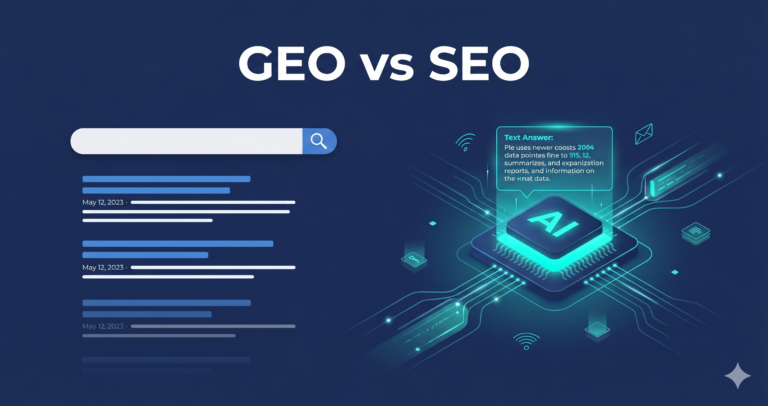
One of the biggest Google search algorithm changes in 2026 is the increasing role of AI in search.
Google is improving how search results are generated by using AI-driven systems that understand:
- User questions
- Search intent
- Context
- User behaviour patterns
- Content usefulness
Instead of showing only traditional blue links, search experiences are becoming more conversational. Users are getting direct answers, summaries, comparisons, and recommendations.
For businesses, this means SEO strategies need to focus on answering real customer questions instead of simply targeting keywords.
A website that clearly explains solutions, provides expertise, and solves customer problems has a stronger chance of appearing in AI-driven search experiences.
2. Greater Focus on Helpful and Original Content
Google continues to prioritise content created for people rather than content designed only to manipulate rankings.
The Google core update 2026 approach focuses on whether content provides genuine value.
High-quality content should:
- Solve user problems
- Provide accurate information
- Include real experiences
- Offer unique insights
- Be easy to understand
Businesses publishing generic content without research, examples, or expertise may struggle to compete.
For example, a digital marketing agency writing “best SEO strategies” should not only list common tips. It should include practical examples, industry observations, implementation steps, and measurable outcomes.
3. Experience, Expertise, Authority, and Trust (E-E-A-T)
E-E-A-T continues to influence how Google evaluates website credibility.
Google wants to understand:
Experience
Has the content creator actually experienced or worked with the topic?
Expertise
Does the content demonstrate knowledge?
Authority
Is the website recognized as a reliable source?
Trust
Can users depend on the information?
For businesses, building E-E-A-T means:
- Adding expert authors
- Showing business experience
- Publishing original insights
- Maintaining accurate information
- Improving online reputation
A strong brand presence helps websites perform better during algorithm changes.
How Google Core Update 2026 Impacts Businesses
When a major update occurs, businesses often experience fluctuations in their search performance that can have direct impacts on revenue and lead generation. This volatility is a natural part of an evolving search environment, where the goal is to surface the most useful resources consistently.
GET Marg provides the strategic oversight needed to interpret these shifts and convert them into growth opportunities. By analyzing performance data in real-time, we help businesses mitigate the risks associated with algorithm volatility and capitalize on the new realities of the search market.
- Impact on organic lead acquisition and cost per acquisition.
- Changes in organic visibility for key service categories.
- Shifts in competitive positioning within industry verticals.
- Direct correlation between search rank and brand authority.
Impact on Small and Medium Businesses
SMBs often depend on organic search visibility to attract customers. Algorithm changes can influence:
- Local visibility
- Website enquiries
- Lead generation
- Customer acquisition costs
Businesses should focus on building a strong digital foundation rather than chasing every ranking update.
Important areas include:
- Helpful website content
- Fast loading speed
- Mobile optimization
- Clear service pages
- Customer reviews
- Strong local SEO
Impact on E-commerce Brands
E-commerce websites face increasing competition as product searches become smarter.
Google algorithm updates now consider factors such as:
- Product information quality
- User experience
- Reviews
- Website trust
- Helpful buying guides
Brands that only optimize product pages with keywords may struggle.
Successful e-commerce SEO in 2026 requires:
- Detailed product descriptions
- Comparison content
- Real customer feedback
- Educational content
- Smooth buying experience
Major Google Search Algorithm Changes Impacting SEO in 2026
The landscape of search is changing as Google search algorithm changes prioritize direct answers and interactive content. These shifts are designed to reduce the need for users to click through multiple websites to find the information they require, significantly impacting how traffic is distributed.
For service-based businesses, this means that visibility within rich snippets and AI-generated overviews is now just as important as traditional blue-link rankings. Adapting to these Google search algorithm changes involves creating structured data and highly specific content that directly addresses complex user queries.
- Rise of interactive elements within search results.
- Increased reliance on structured data for context mapping.
- Prioritization of local intent for service-oriented businesses.
- Higher scrutiny on content freshness and topical relevance.
How to Prepare for Google Algorithm Updates 2026
Preparation begins with a comprehensive audit of your existing content and technical infrastructure. Identify areas where your site might be falling short of current quality standards and implement a structured improvement plan that prioritizes user value above all else.
Consistent monitoring is essential for maintaining your competitive edge. By tracking your performance against key industry benchmarks, you can make data-driven adjustments that protect your traffic and ensure your brand remains a top-of-mind choice for your target audience.
- Conduct a thorough content quality and utility assessment.
- Implement schema markup to enhance information clarity.
- Focus on building topical authority through pillar-cluster content.
- Regularly update legacy pages with current insights and data.
Here are the key strategies businesses should follow to stay prepared.
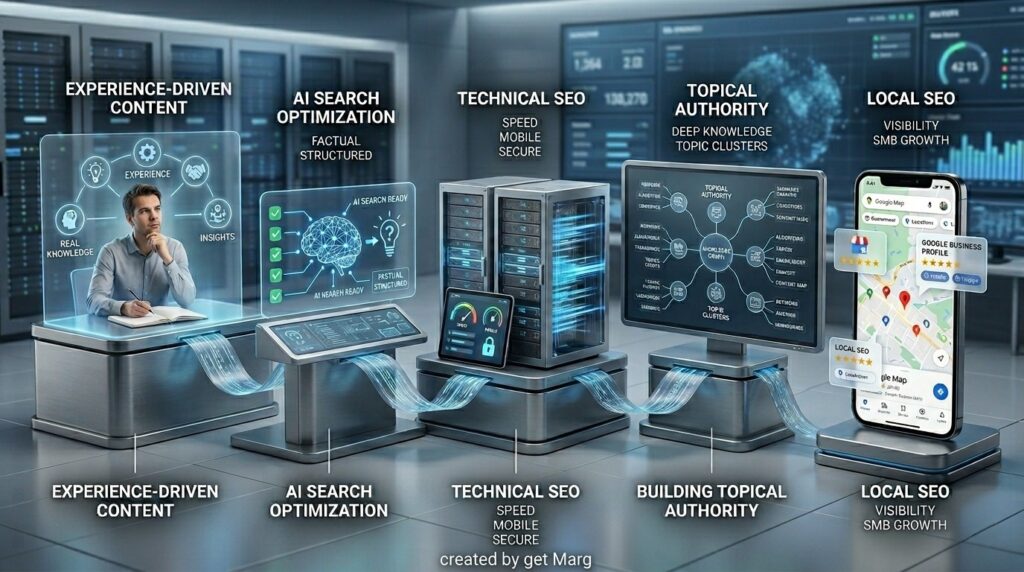
1. Create Helpful, Experience-Driven Content
Content remains one of the strongest ranking factors, but the definition of quality content has changed.
In 2026, businesses should focus on creating content that demonstrates:
- Real industry knowledge
- Practical solutions
- First-hand experience
- Clear explanations
- Original insights
For example, a service-based business should not only explain what a service is but also answer customer concerns, share processes, explain benefits, and provide examples.
Content should be created for users first and search engines second.
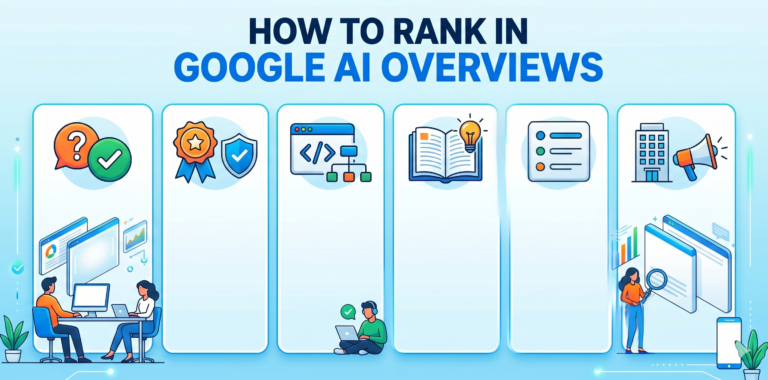
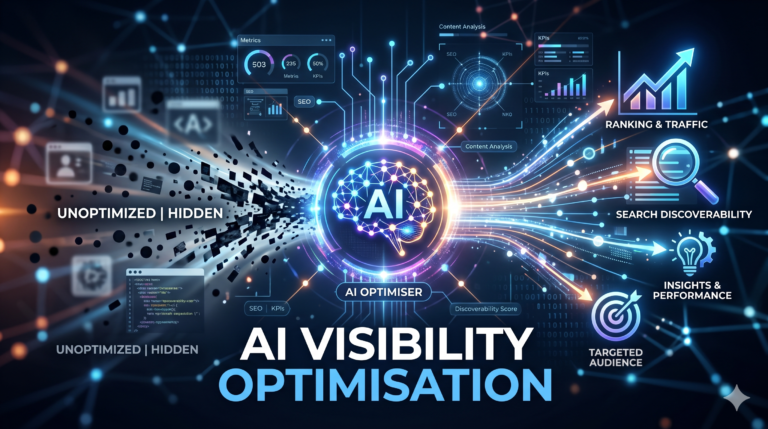
2. Optimize Content for AI Search Visibility
With AI-powered search experiences growing, businesses need to optimize content beyond traditional SEO.
AI systems look for content that is:
- Well-structured
- Easy to understand
- Factually accurate
- Contextually relevant
To improve visibility:
- Use clear headings
- Answer common questions
- Add detailed explanations
- Include supporting examples
- Maintain updated information
Businesses should focus on becoming a reliable source that search engines can confidently recommend.
3. Strengthen Technical SEO
Even the best content may struggle if a website has technical issues.
Technical SEO improvements include:
Website Speed Optimization
Slow websites create poor user experiences and can impact engagement.
Mobile Optimization
Since most searches happen on mobile devices, websites must work smoothly across different screen sizes.
Website Structure
A clear structure helps search engines understand:
- Important pages
- Content relationships
- Business offerings
Security
HTTPS and safe browsing experiences remain important trust signals.
4. Build Topical Authority
Google increasingly rewards websites that demonstrate deep knowledge in specific areas.
Instead of publishing random articles, businesses should create topic clusters.
For example, a digital marketing company can build authority around SEO by creating content about:
- Google algorithm updates
- Keyword research
- Technical SEO
- Local SEO
- Content marketing
- AI search optimization
This helps Google understand the website’s expertise.
5. Improve Local SEO Presence
For Indian SMBs and service-based businesses, local visibility plays a major role.
Businesses should optimize:
- Google Business Profile
- Local keywords
- Customer reviews
- Location-based pages
- Business information consistency
A strong local SEO strategy helps businesses appear when customers search for nearby services.
Case Study: How Zomato Scaled Visibility Amidst Volatility
Zomato has consistently demonstrated an ability to maintain dominance in the Indian market despite numerous Google search algorithm changes. By focusing on hyper-local content and massive user-generated reviews, they created a massive moat of topical authority that search engines find impossible to ignore.
Their strategy revolves around providing immediate, actionable data to users while leveraging a massive network of internal links to connect related queries. This approach ensures that they capture traffic across the entire customer journey, from initial discovery to final transaction.
- Action: Aggressive expansion of local landing pages with real-time data.
- Outcome: Sustained search dominance for high-volume food discovery queries.
- Takeaway: High-frequency content updates combined with user intent alignment drive long-term stability.
Common SEO Mistakes to Avoid After Google Search Algorithm Changes
Many businesses make the mistake of overreacting to short-term ranking drops by making drastic, uncalculated changes to their site. This reactive approach often leads to further instability and long-term damage to the brand’s organic reputation.
Avoiding these common errors requires patience and a focus on long-term strategy rather than temporary hacks. The goal is to build a foundation that is resilient enough to withstand the inevitable shifts in search engine logic that occur throughout the year.
1. Keyword Stuffing
Repeating keywords unnaturally can harm user experience and reduce content quality.
Instead of forcing keywords, businesses should naturally cover topics and answer user questions.
2. Publishing Low-Quality AI Content
AI tools can support content creation, but publishing generic, unedited content can create problems.
Google values:
- Original thinking
- Human expertise
- Accurate information
- Useful recommendations
Businesses should use AI as an assistant, not as a replacement for strategy and expertise.
3. Ignoring User Intent
Creating content without understanding what customers need is a common mistake.
A successful SEO strategy connects content with customer goals.
For example:
A user searching “best CRM for small business” may want comparisons and pricing, not a basic definition of CRM.
4. Forgetting Existing Content
Many websites focus only on creating new pages and ignore older content.
Regular content updates help businesses:
- Improve accuracy
- Add new information
- Maintain relevance
- Recover declining rankings
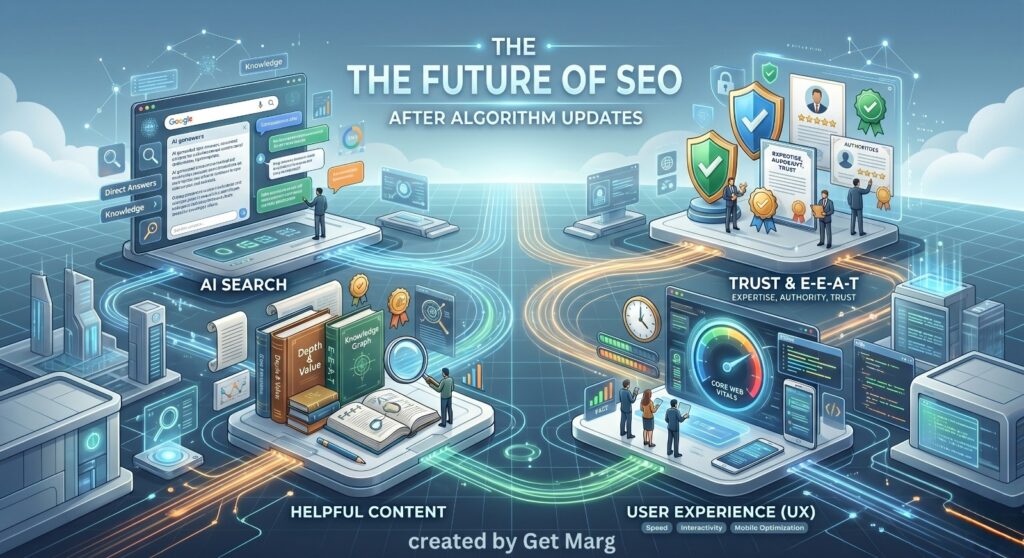
Future of SEO After Google Algorithm Updates 2026
The future of search is increasingly defined by the intersection of machine learning and human behavior. As search engines become more personal, the businesses that succeed will be those that provide the most accurate, reliable, and convenient experience for their specific audience segments.
Staying ahead requires a commitment to continuous learning and adaptation. By focusing on building genuine brand authority and delivering value at every stage of the user journey, businesses can thrive regardless of how the search landscape changes in the coming years.
- Growth in AI-augmented research and discovery.
- Shift toward voice and visual search integration.
- Increased focus on hyper-personalized search results.
- Evolution of search from a link-provider to an answer-engine.
How GET Marg Helps Businesses Adapt to Google Algorithm Updates
GET Marg acts as an elite growth partner for organizations looking to navigate the complexities of modern search. We provide the technical expertise, content strategy, and performance marketing insights necessary to turn algorithmic volatility into a competitive advantage.
Our team specializes in building sustainable organic growth through data-backed strategies that align with the latest search engine standards. Whether you are an SMB or an established e-commerce brand, we provide the roadmap you need to scale your visibility and drive measurable business results.
- Strategic content roadmaps aligned with 2026 search intent.
- Technical SEO audits to ensure site-wide performance excellence.
- Authority-building campaigns that establish your brand as a leader.
- Ongoing performance tracking and adaptive optimization cycles.
Conclusion
Google algorithm updates 2026 show that search is moving toward a more intelligent, user-focused, and AI-driven future. Businesses can no longer depend on outdated SEO tactics or keyword-only strategies to achieve online visibility.
The latest Google algorithm updates reward websites that provide genuine value, demonstrate expertise, improve user experience, and build trust with their audience. For Indian businesses, staying competitive means continuously improving content quality, technical SEO, brand authority, and customer experience. Those who adapt quickly to Google search algorithm changes will be better positioned to attract organic traffic and generate sustainable growth.
With the right strategy and guidance from GET Marg, businesses can navigate algorithm changes confidently and build a stronger digital presence.
Frequently Asked Questions (FAQ’s)
What is the Google algorithm update 2026?
The Google algorithm update 2026 refers to changes made in Google’s ranking systems to improve search quality. These updates focus on content usefulness, user experience, AI-driven search, and website trust signals.
How do Google core updates affect website rankings?
Google core updates can increase or decrease rankings depending on content quality, relevance, authority, and overall website experience. Websites providing valuable information usually perform better.
What are the latest Google algorithm updates focusing on?
The latest Google algorithm updates focus on helpful content, AI search experiences, user intent, originality, website quality, and trustworthy information.
Is SEO still important after AI search updates?
Yes, SEO remains important. However, businesses need to focus on high-quality content, authority building, technical optimization, and AI search visibility.
Are AI-generated articles affected by Google updates?
AI-generated content is not automatically harmful, but low-quality or unhelpful content may perform poorly. Google focuses on content value, accuracy, and usefulness.
How often does Google change its search algorithm?
Google makes thousands of updates every year, including small improvements and major core updates that can significantly impact search results.
What should small businesses do to prepare for Google updates?
Small businesses should focus on local SEO, helpful content, website performance, customer reviews, and building a trustworthy online presence.